
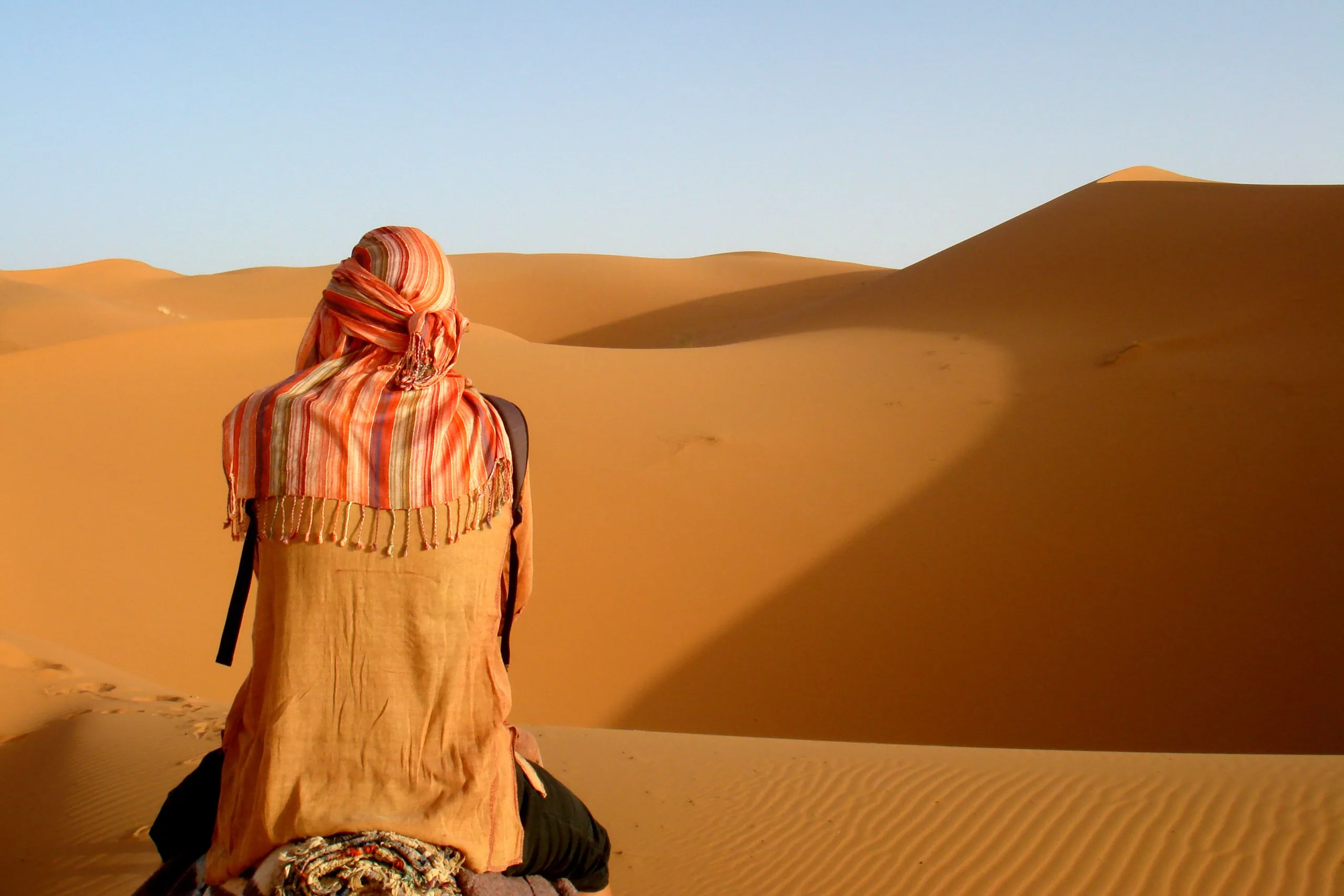
Make the things you need easy to reach
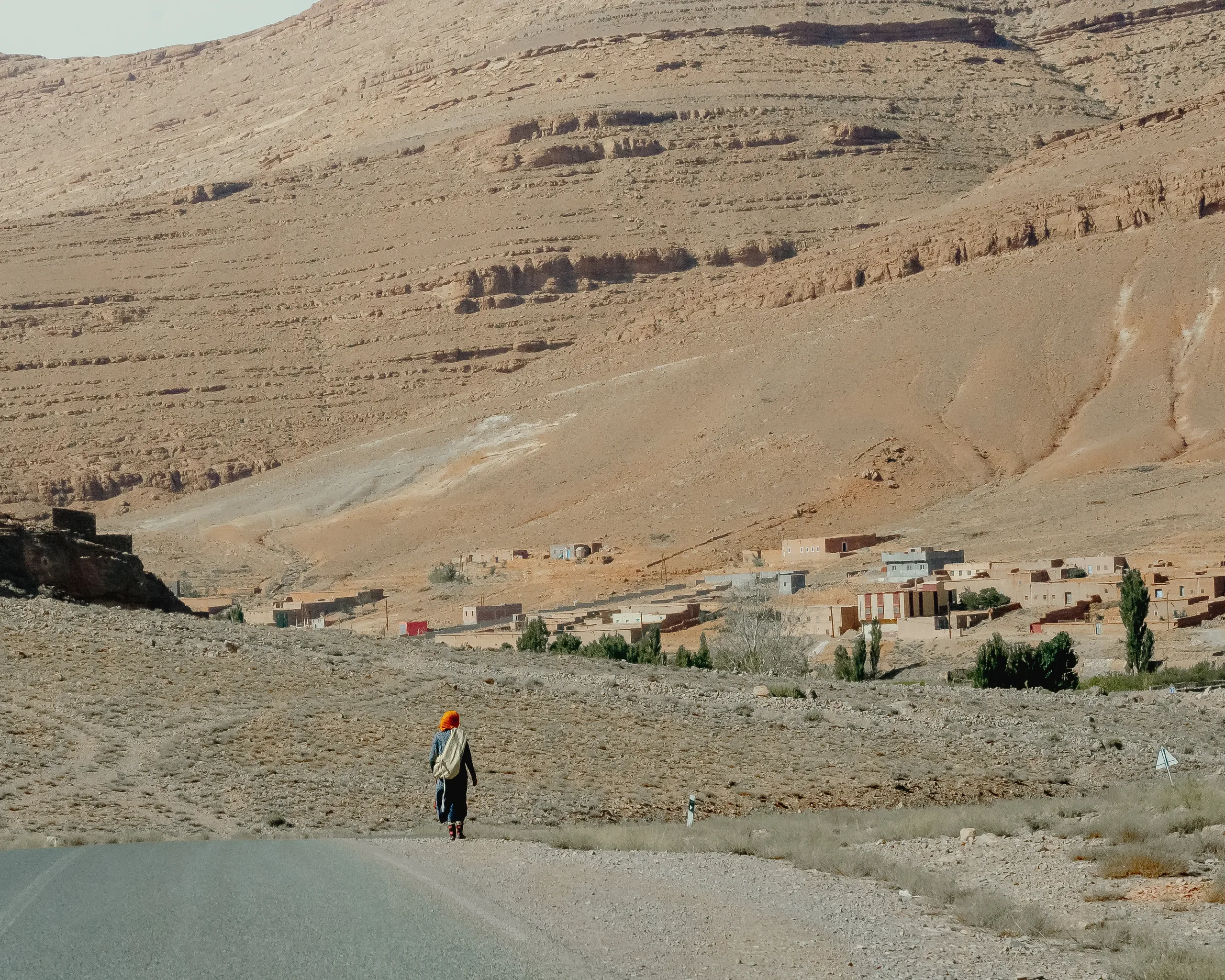
For a tour to Zagora or Merzouga, separate the things you need on the road from what you will use at camp.
Keep water, sunglasses, your phone, tissues and a light layer where you can reach them from your seat.
Pack the items for the evening and the next morning together in a smaller bag.
If you are travelling light, one day bag can serve both purposes.
Ask the team what you can take to camp and where the rest of your luggage can be kept.
That lets you choose what to carry before departure.
You should be able to find your warm layer before the camel ride without opening your entire suitcase at the roadside.
In the bag that stays with you
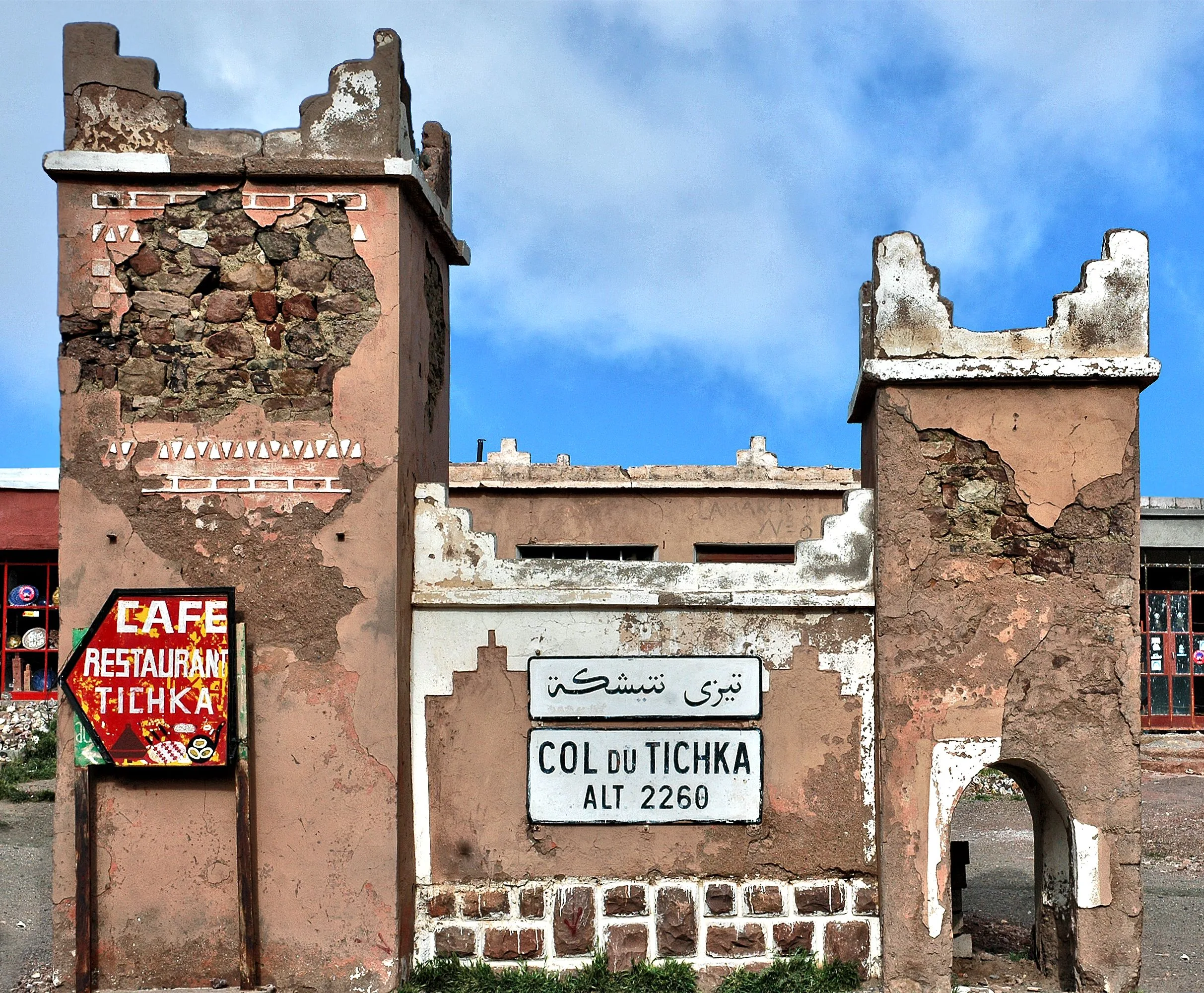
Bring a refillable bottle, sunscreen, a hat and sunglasses.
Pack a small power bank with a cable that fits the device you will use.
Stops on the High Atlas crossing can come close together, so keep the things you need in one small pocket rather than unpacking your main bag each time.
A resealable pouch is useful for a phone, cables and papers when there is sand in the air.
Put toiletries in a separate pocket, and leave enough room to store a layer if you take it off during the day.
The bag should be something you can open quickly at a stop, close securely and carry comfortably while walking.
Clothing that works in several places
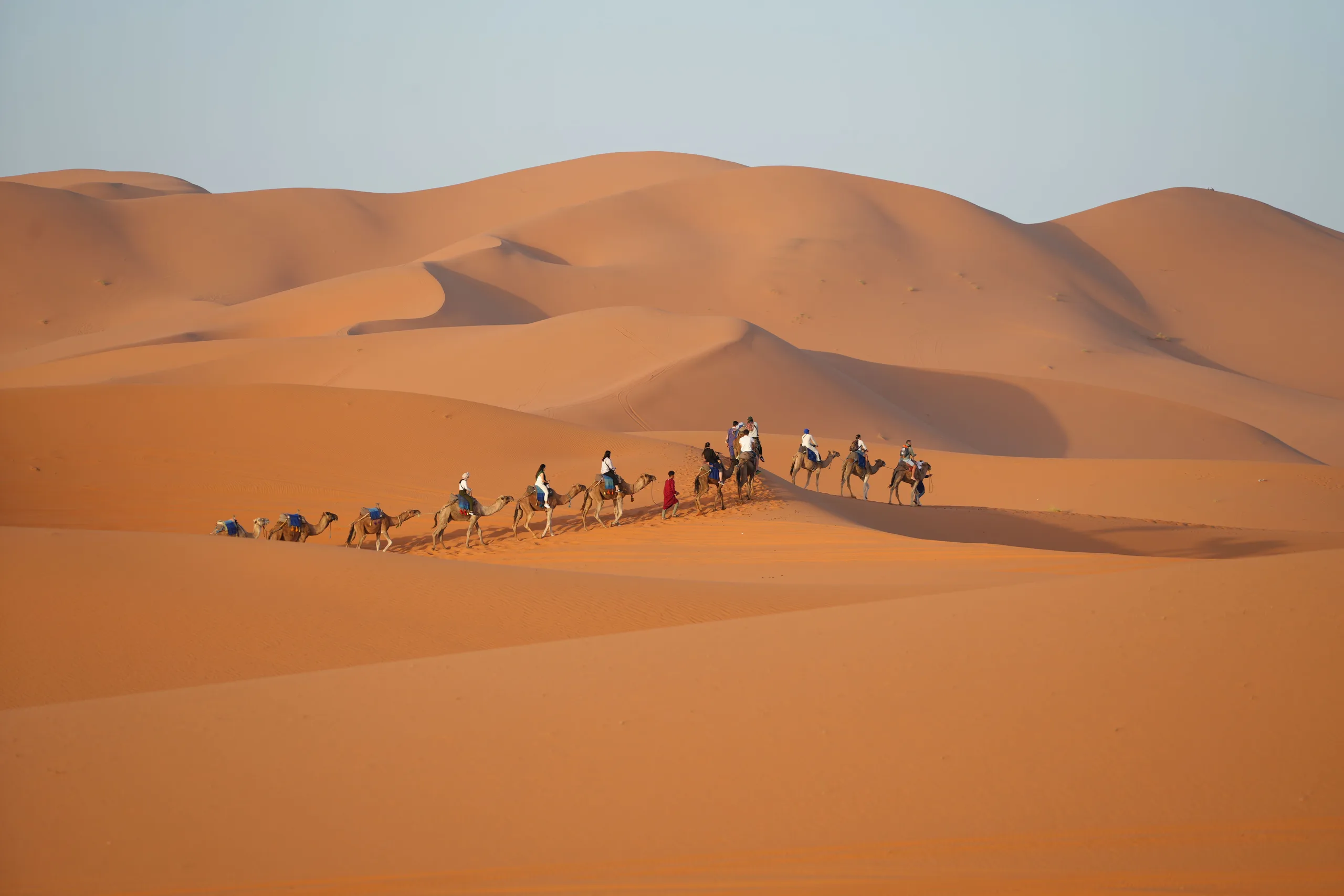
Put together an outfit you can adjust from the vehicle to stops along the route and the evening at camp.
A light top, a warm layer and a jacket you can stow give you more flexibility than a single thick outfit.
For the trip to camp, bring comfortable trousers and closed shoes for walking on sand.
Keep a dry pair of socks for the evening.
Check the forecast for the High Atlas crossing and the camp area separately, then choose an outer layer that suits both.
If you are unsure what you need to sleep comfortably, ask what bedding the camp option provides.
That is a better basis for packing than bringing several extra outfits just in case.
A night at the desert camp
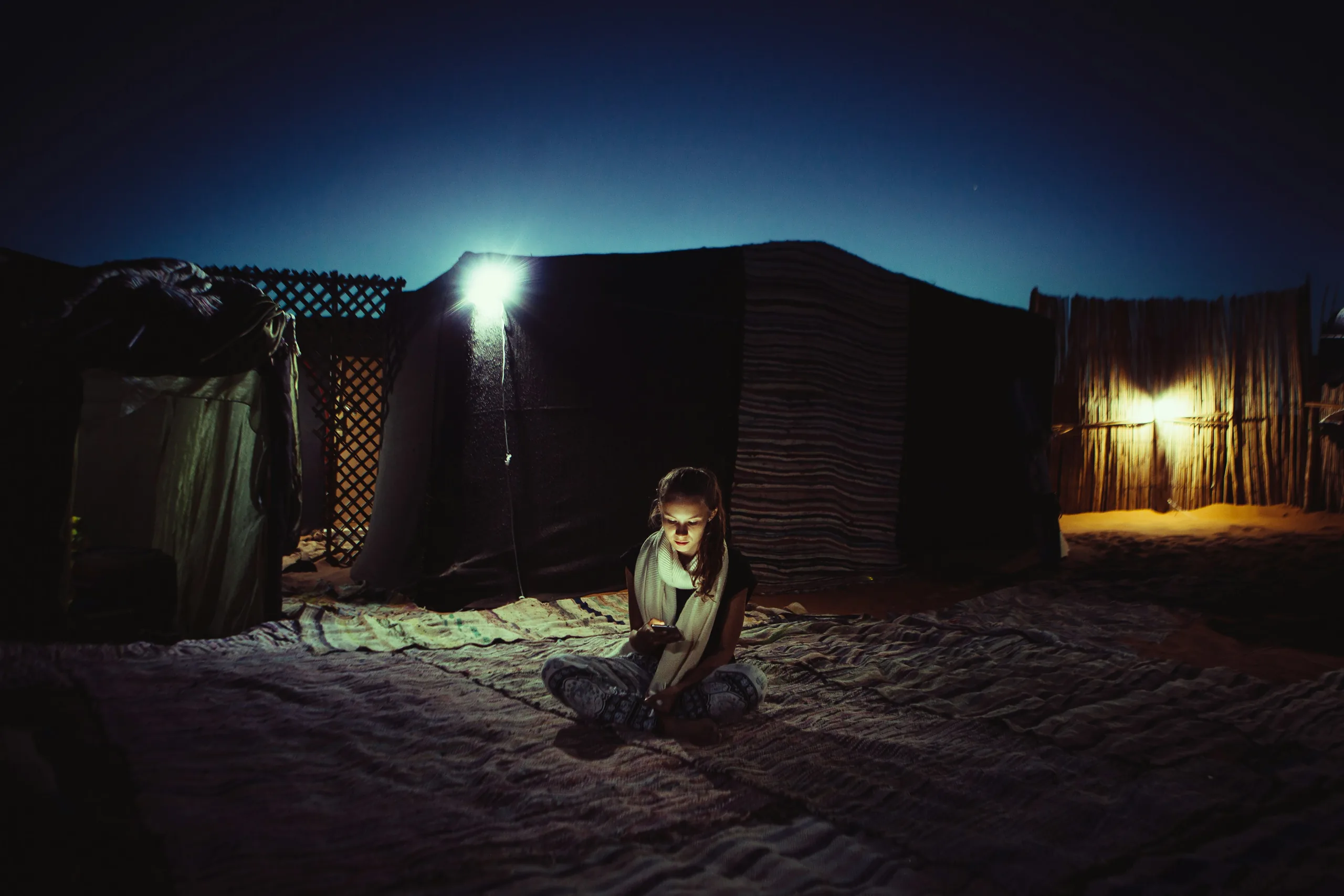
Pack the items you need after dark where you can find them: a small torch or headlamp, a warm layer, socks, toiletries and clothes for the next morning.
Put whatever you use first on top.
Facilities vary by camp and option.
Ask the team about towels, private bathrooms and electrical outlets if you are relying on them for your stay.
Charge your phone before you set off if you plan to use it for photos or as an alarm.
On the Merzouga circuit, keep the things you need at the hotel on the first night apart from what you will take to the desert camp on the second night.
That saves repacking everything after breakfast.
Protect cameras and other small items
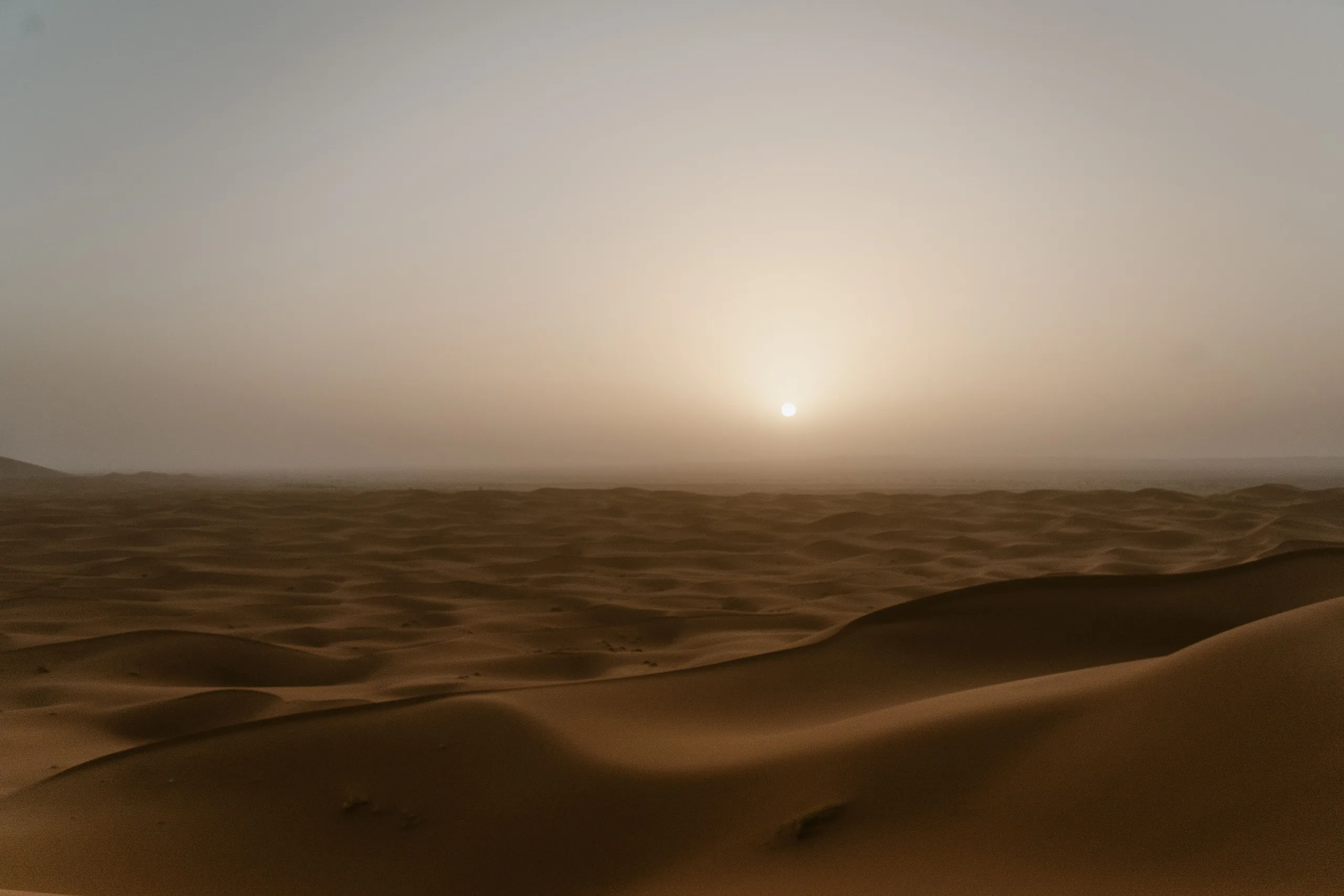
If you bring a camera, decide what you want within reach for the stops.
A closed pouch keeps small accessories together when the wind picks up, and it is easier to check than loose equipment in several pockets.
Keep memory cards and batteries in the same place and avoid changing lenses when sand is blowing.
Put the camera away before getting back into the vehicle.
If your phone will be your main camera, clear space for photos and save the travel details you need before departure.
Keep your cables and charger together with the power bank.
Preparing that small kit means you can use a stop for photographs rather than going through the whole bag to find a spare battery.
Pack for Zagora or for Merzouga
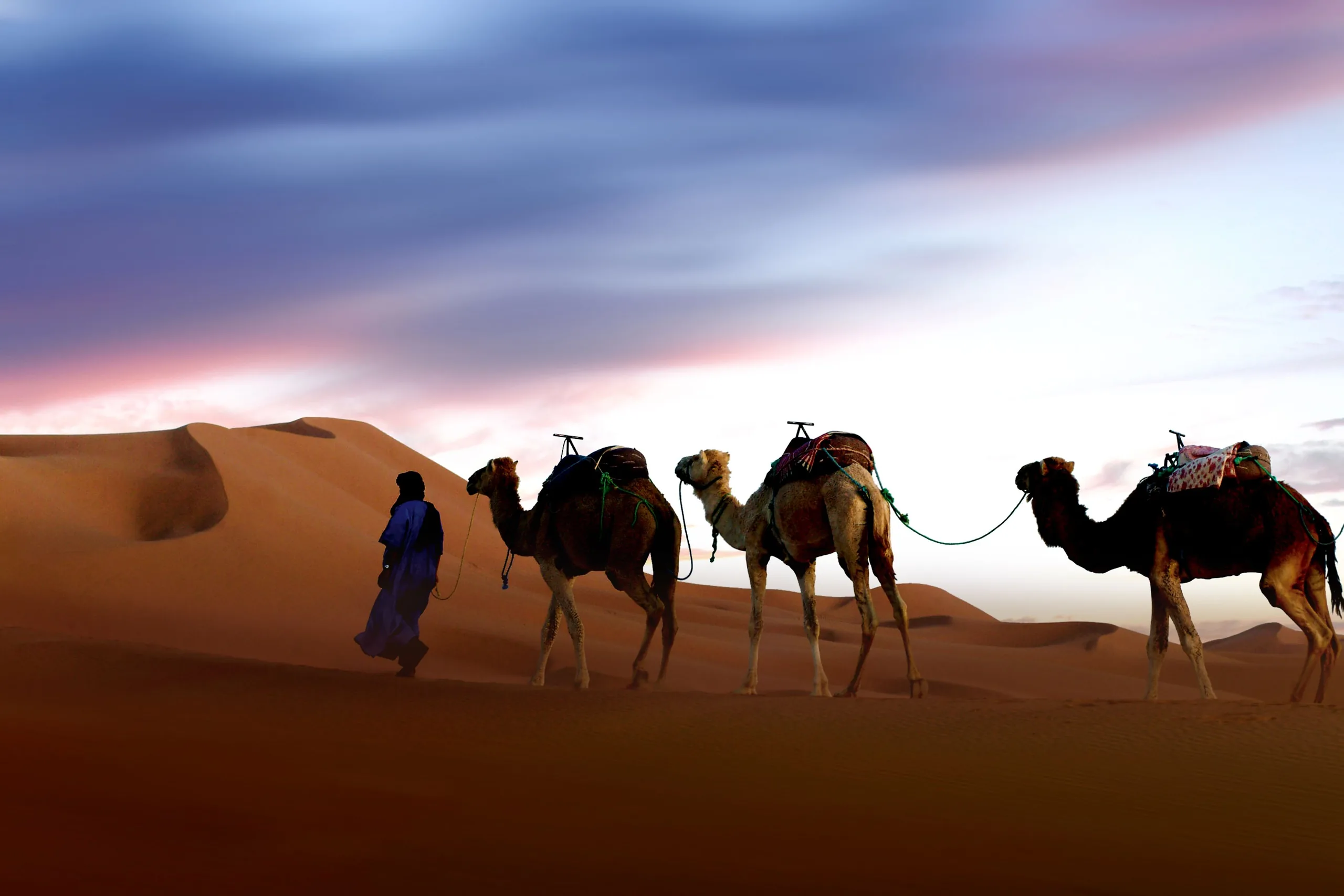
Zagora takes one night away from Marrakech, and the camp stay is on the first evening.
You can organise the overnight bag before leaving the city.
Merzouga has a hotel night in Dadès before the second night at camp near Erg Chebbi.
Set aside the things you need at the hotel so they do not end up at the bottom of the camp bag.
Lunches and drinks on both tours are separate, so keep a payment method and your booking details handy.
Ask about luggage if you are travelling with a large suitcase or sharing one bag between several people.
It helps to know what you will carry to camp before choosing how to divide your belongings.
Check everything before pickup
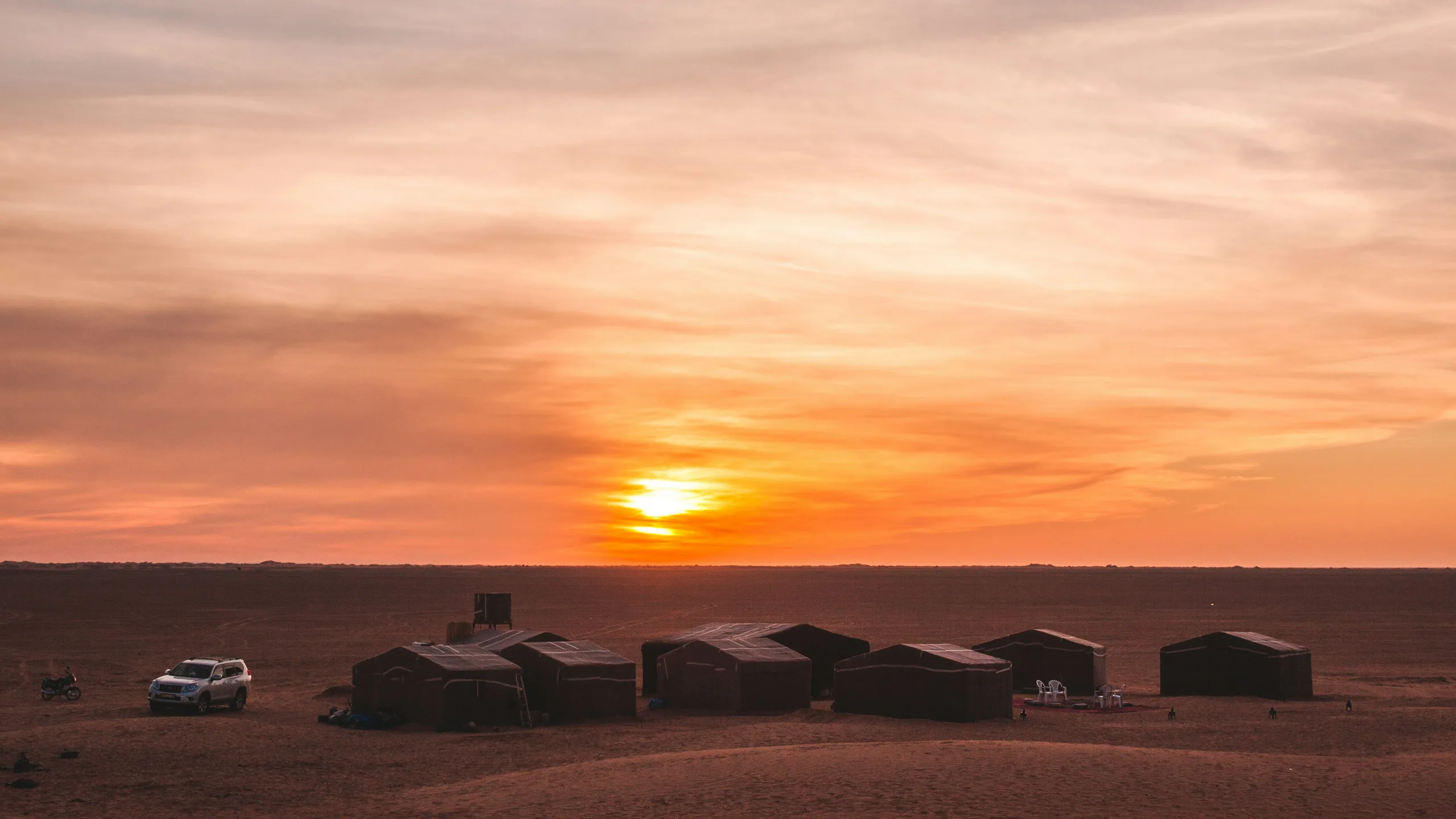
Before leaving your hotel or riad, check the meeting point, luggage allowance and the facilities you have confirmed at camp.
Review your bag in the order you will use it: water and sun protection for the road, comfortable shoes and layers for stops, then a torch and warm clothes for the evening.
Keep your accommodation address and the team’s contact details accessible for pickup and return.
If travelling with children, separate the things each child will use on the road and put what an adult needs to reach quickly in a single pocket.
After that, remove duplicates and put the overnight essentials together in the bag you will carry to camp.
Do one final check that the bag closes easily and is comfortable to lift.